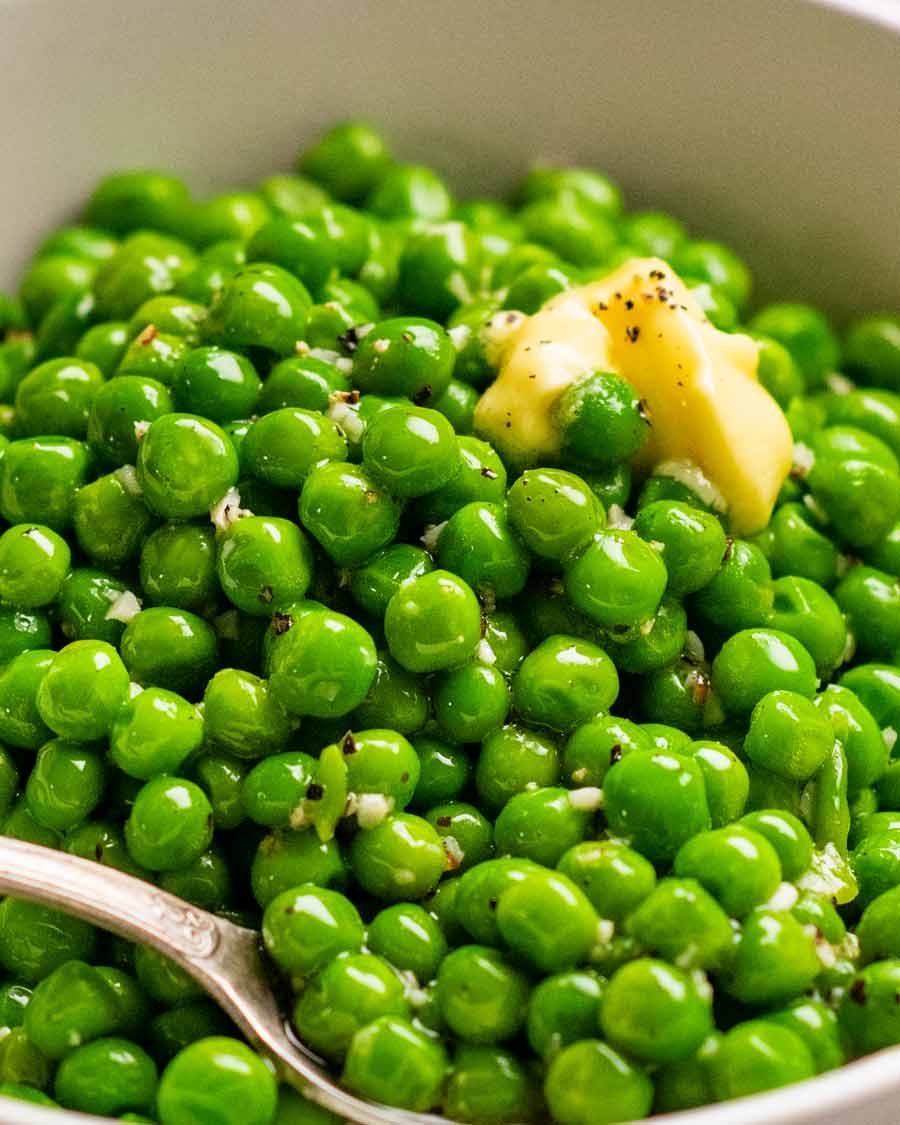
Cook Frozen Peas: Your Guide to Steaming, Microwaving & Sautéing for Perfect Texture and Flavor
Frozen peas often get a bad rap, sometimes unfairly relegated to the back of the freezer as an emergency side dish. Yet, these vibrant green gems are, in fact, culinary powerhouses – sweet, nutritious, and incredibly versatile. The secret to unlocking their full potential isn't complicated; it's all about knowing how to cook frozen peas correctly. Forget the sad, mushy, bland peas of yesteryear; with the right techniques, you can transform them into a tender-crisp, flavorful accompaniment that elevates any meal. Many home cooks encounter the dreaded "mushy pea" syndrome, often leading to a disinterest in this humble vegetable. The good news is that achieving perfectly cooked frozen peas that boast a beautiful color and delightful pop is simpler than you might think. By understanding the science behind their optimal preparation and avoiding common pitfalls, you’re just minutes away from a truly delicious dish.Why Frozen Peas Deserve a Spot in Your Freezer
Before diving into the cooking methods, let's appreciate why frozen peas are such a fantastic ingredient. Unlike many "fresh" vegetables that lose nutrients and flavor during transport and storage, frozen peas are a prime example of culinary innovation working in your favor. These tiny legumes are harvested at their peak sweetness, then swiftly blanched and flash-frozen. This rapid process locks in their vibrant color, delicate texture, and essential nutrients like fiber and protein. In fact, due to this preservation method, frozen peas often retain more vitamins and offer a superior texture compared to fresh peas that have been sitting on grocery store shelves for days. They offer year-round availability and unmatched convenience, ready to go straight from the freezer to your pan or pot. The primary culprit behind dull, mushy peas is excessive water. Cooking peas in too much water causes them to absorb the liquid, leading to a super-soft, less appealing texture. Furthermore, boiling can strip away their sweet flavor, vibrant color, and valuable nutrients. This is why professional chefs often recommend methods that minimize water exposure, such as steaming, microwaving, or sautéing, which preserve their integrity and enhance their natural deliciousness. One of the greatest advantages? There's absolutely no need to thaw frozen peas before cooking, saving you precious time and effort.Mastering the Art of Cooking Frozen Peas: Methods & Tips
Knowing how to cook frozen peas isn't a one-size-fits-all endeavor. Each method offers unique benefits, making it suitable for different portion sizes and desired textures. Here are the most effective ways to prepare frozen peas, ensuring they emerge tender, tasty, and visually appealing every time.Steaming: For the Perfect Batch
Steaming is a chef-preferred method for cooking frozen peas, especially when you're preparing a full bag or serving multiple people. It ensures even cooking by exposing all the peas to a consistent flow of steam, which gently heats them through without waterlogging.- Prepare Your Steamer: Pour about one inch of water into a pot and bring it to a boil over medium-high heat. Place a steamer basket over the boiling water, ensuring the water doesn't touch the bottom of the basket.
- Add Peas: Open the bag and pour your desired amount of frozen peas into the steamer basket.
- Steam to Perfection: Cover the pot and steam for five to seven minutes. The peas should be bright green and have a tender yet slightly crisp texture when done. Cooking time can vary slightly based on pea size and your stove's heat.
- Season and Serve: Carefully transfer the cooked peas into a serving bowl. Season immediately with a pinch of salt and freshly ground black pepper to taste.
Chef's Tip: Don't overcrowd the steamer basket. If you're cooking a very large quantity, consider steaming in batches to ensure every pea is exposed to the steam for even cooking.
Microwaving: Quick & Convenient for Smaller Servings
For those times when you need a quick side for one or two, the microwave is an incredibly speedy and mess-free option. It's an excellent way to prepare a smaller portion without dirtying extra pots and pans.- Combine Peas and Water: Place your desired amount of frozen peas in a microwave-safe dish. Add one to two tablespoons of water – just enough to create a little steam.
- Microwave: Cover the dish loosely (a microwave-safe lid or plate works well) and microwave on high for four to five minutes. Stir the peas halfway through to ensure even cooking.
- Rest and Season: Once cooked, carefully remove the dish (it will be hot!). Allow the peas to cool for one to two minutes before seasoning with salt and pepper. The residual heat will continue to cook them slightly, ensuring optimal tenderness.
Quick Tip: A loosely covered dish traps steam, helping the peas cook efficiently and retain moisture without becoming soggy.
Sautéing: Unlocking Rich Flavor
Sautéing is an excellent method for adding a rich, buttery, or savory depth to your frozen peas. Cooking them directly in a skillet with a little fat not only heats them through but also infuses them with delicious flavor, whether you're making a small or large portion.- Heat Fat: In a skillet, heat two to three tablespoons of olive oil or butter over medium heat. You can also use a combination of both for a richer flavor.
- Add Peas: Once the fat is shimmering, add your preferred amount of frozen peas to the skillet. Spread them out in a single layer as much as possible to ensure even cooking and a slight caramelization.
- Cook Until Tender: Cook for three to five minutes, stirring occasionally, until the peas are tender-crisp and heated through. You might notice a slight browning on some peas, which adds to their flavor.
- Season and Serve: Season generously with salt and freshly ground pepper before serving.
Flavor Booster: For an extra layer of taste, consider adding minced garlic or finely chopped shallots to the skillet with the oil/butter for the last minute of heating before adding the peas. This infuses the dish with aromatic notes.
Beyond the Basics: Flavorful Finishes for Your Peas
Plain cooked peas are a delicious start, but they are also a magnificent blank canvas for a variety of flavors and seasonings. Transforming this simple veggie into a standout side dish is surprisingly easy. For even more detailed ideas, check out our guide on Quick & Tasty: Transform Frozen Peas Into a Gourmet Side Dish. Here are a few popular ideas to elevate your peas:- Classic Butter & Herbs: After cooking, toss hot peas with a pat of butter, a sprinkle of fresh mint, parsley, or dill, and a squeeze of lemon juice.
- Garlic & Parmesan: Sauté minced garlic in butter or olive oil for 30 seconds before adding the peas. Once cooked, stir in grated Parmesan cheese.
- Sweet & Spicy: A touch of red pepper flakes and a drizzle of honey or maple syrup can create an intriguing sweet-and-spicy contrast.
- Bacon Bliss: Cook crumbled bacon until crispy. Drain most of the fat, then sauté the peas in the rendered bacon fat. Toss with the crispy bacon bits before serving.
- Creamy & Luxurious: Stir a tablespoon of cream cheese or a splash of heavy cream into the hot peas until melted and creamy. A pinch of nutmeg can enhance this richness.
- Lemon Zest & Chives: A bright and fresh combination, simply finish your peas with finely grated lemon zest and freshly snipped chives.
Troubleshooting: Avoiding the Dreaded Mushy Pea
The goal, as always, is tender, vibrant peas, not a bland, grayish paste. Here's a summary of key strategies to avoid mushy peas, embodying true Stop Mushy Peas: Chef Secrets for Tender, Flavorful Frozen Peas:- Mind the Water: The most critical advice. Avoid boiling peas in copious amounts of water. Steaming, microwaving with minimal water, or sautéing are your best friends.
- Don't Overcook: Peas cook quickly. Keep a close eye on them and remove them from the heat as soon as they are tender-crisp. A minute too long can turn them from perfect to mushy.
- Season After Cooking: Salt can draw out moisture, so it's best to season peas right before serving.
- Quick Chill (if not serving immediately): If you're cooking a large batch for meal prep, quickly plunging cooked peas into an ice bath can halt the cooking process and preserve their vibrant color and texture.
