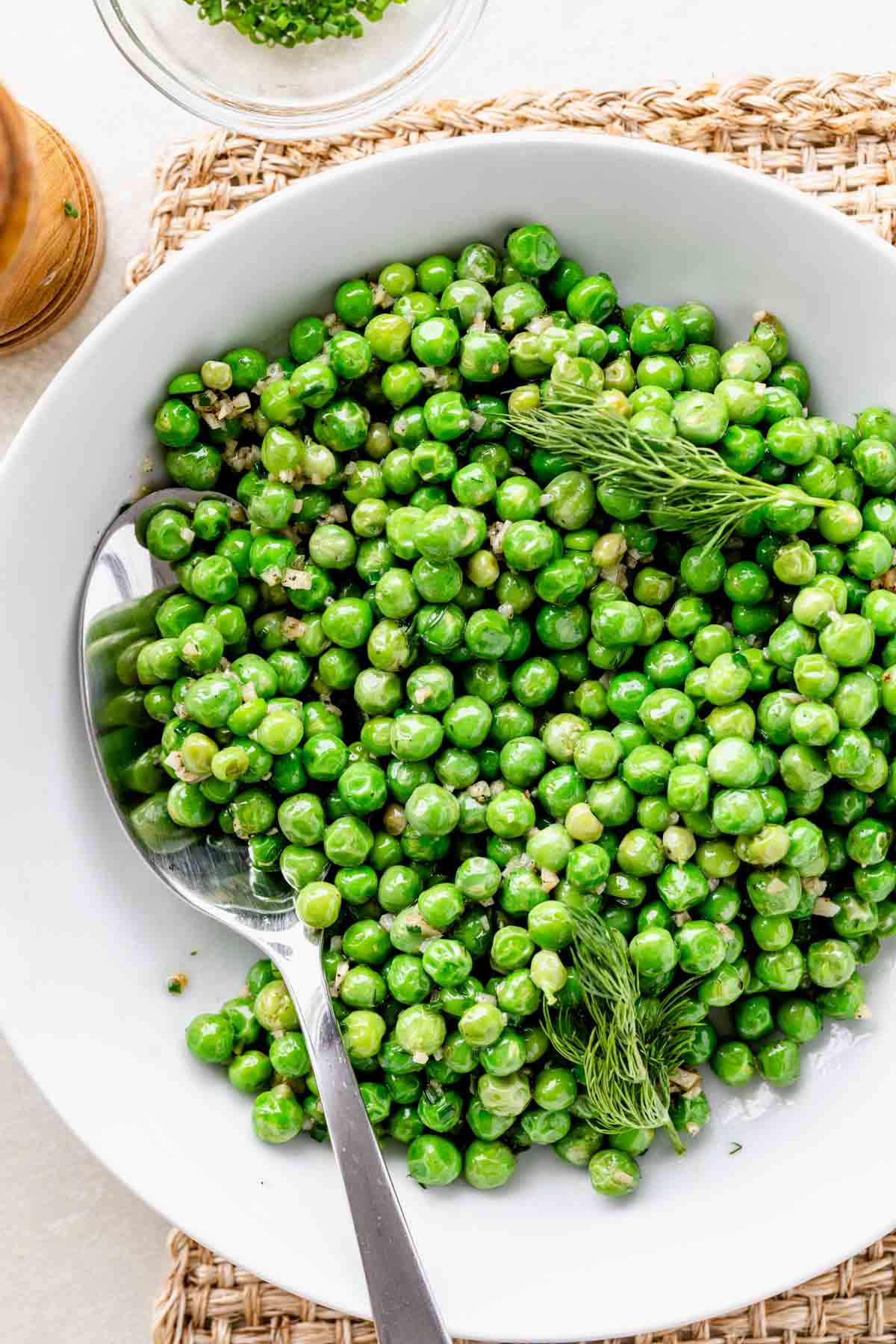
Stop Mushy Peas: Chef Secrets for Tender, Flavorful Frozen Peas
Are you tired of serving up a plate of sad, mushy peas that look more like a dull green paste than a vibrant side dish? You're not alone. Many home cooks struggle to get frozen peas just right, often ending up with a bland, overly soft texture rather than the sweet, crisp pop they crave. But what if we told you that achieving perfectly tender and flavorful frozen peas every time isn't just possible, it's incredibly easy and even faster than you think? At their peak, frozen peas are tiny culinary gems. They’re picked, blanched, and then flash-frozen within hours of harvest, locking in their natural sweetness, vibrant color, and impressive nutritional profile. Unlike many "fresh" vegetables that lose nutrients during transit, frozen peas often retain more vitamins, fiber, and protein. They're a true kitchen staple, ready to add a splash of green and a boost of goodness to any meal. The secret to transforming these humble peas from freezer to gourmet side dish lies in understanding a few chef-approved techniques that banish mushiness for good.Why Your Frozen Peas Are Turning Mushy (And How to Fix It)
The number one culprit behind mushy, bland frozen peas is almost always excessive water and overcooking. When peas are submerged in too much liquid, especially during prolonged boiling, they absorb the water, swell, and quickly lose their structural integrity. This not only robs them of their delightful crisp-tender texture but also leaches out their delicate sweet flavor, vibrant green hue, and vital nutrients. Imagine a sponge soaking up water – that’s what your peas are doing, and not in a good way! Top chefs understand that minimizing a pea's exposure to excess water is key to preserving its natural qualities. This is why traditional boiling is often bypassed in favor of cooking methods that rely on steam or direct heat. The beauty of frozen peas is that they don’t need to be thawed before cooking, saving you precious time and extra steps. Instead, you can plunge them straight into the cooking process, using minimal water to enhance, rather than detract from, their inherent flavor and texture.Mastering the Art of Cooking Frozen Peas: Chef-Approved Methods
Understanding how to cook frozen peas is not a one-size-fits-all endeavor. Each cooking method offers unique benefits, catering to different quantities and desired outcomes. Here are the most effective ways to ensure your peas are tender, tasty, and never mushy. For a comprehensive look at these techniques, check out our guide on Cook Frozen Peas: Your Guide to Steaming, Microwaving & Sautéing.Steaming: For a Whole Bag of Perfectly Tender Peas
Steaming is arguably the gentlest and most effective method for cooking frozen peas, especially when you're preparing a full bag or more. It provides a consistent flow of moist heat, ensuring every pea cooks evenly without becoming waterlogged. This method preserves their vibrant color, natural sweetness, and delicate texture, making it a go-to for professional kitchens.- Prepare Your Steamer: Pour about one inch of water into a pot and bring it to a rolling boil over medium-high heat. Place a steamer basket over the boiling water, ensuring the water does not touch the bottom of the basket.
- Add Peas: Carefully pour the entire bag of frozen peas directly into the steamer basket.
- Steam to Perfection: Cover the pot with a tight-fitting lid and steam for five to seven minutes. The peas are ready when they are tender but still have a slight bite and a bright green color. Avoid over-steaming, as this can still lead to a softer texture.
- Season and Serve: Carefully transfer the hot peas into a serving bowl. Season immediately with a pinch of sea salt and freshly ground black pepper.
Chef's Tip: For an extra layer of flavor, consider adding a sprig of fresh mint or a lemon wedge to the steaming water. The subtle aroma will infuse into the peas as they cook.
Microwaving: The Speedy Solution for Smaller Portions
When time is of the essence or you're cooking for just one or two servings, the microwave is an unbeatable tool for cooking frozen peas quickly and with minimal fuss. This method leverages the peas' natural moisture and a small amount of added water to create steam, resulting in perfectly cooked peas in minutes.- Combine in Dish: Place your desired amount of frozen peas (typically one to two servings) into a microwave-safe dish. Add one to two tablespoons of water. The exact amount can vary based on your microwave's wattage and the quantity of peas, but less is always more.
- Microwave on High: Cover the dish with a microwave-safe lid or plate (to trap the steam) and microwave on high for four to five minutes. For even cooking, pause halfway through and give the peas a good stir.
- Rest and Season: Once cooked, carefully remove the hot dish from the microwave. Allow the peas to rest, covered, for two minutes. This allows for residual heat to finish cooking and the flavors to meld. Season with salt and pepper before serving.
Chef's Tip: Always start with the lower end of the suggested cooking time and add more if needed. Microwaves vary significantly, and it’s easier to add time than to rescue overcooked peas!
Sautéing: Unlocking Rich, Buttery Flavor
Sautéing frozen peas offers a delightful alternative, imbuing them with a rich, buttery, or savory depth that steaming or microwaving alone can't achieve. This method is fantastic for both small and larger portions, especially when you want the peas to be a more prominent, flavorful component of your meal.- Heat the Pan: In a skillet, heat two to three tablespoons of olive oil, butter, or a combination of both over medium heat. Don't be shy with the fat; it adds significant flavor and helps cook the peas beautifully.
- Add Peas and Sauté: Once the fat is shimmering (or butter is melted and slightly foamy), add your preferred amount of frozen peas directly to the skillet. Cook for three to five minutes, stirring frequently, until the peas are tender-crisp and heated through. You might notice a slight browning on some peas, which adds a lovely caramelized note.
- Season and Serve: Season generously with salt and freshly cracked black pepper before serving.
Chef's Tip: For an aromatic touch, add minced garlic or finely chopped shallots to the pan with the fat for about 30 seconds before adding the peas. This infuses the peas with incredible depth. A splash of vegetable broth or even a little white wine towards the end of cooking can also deglaze the pan and add moisture and flavor.
Elevate Your Peas: Beyond Salt and Pepper
Plain cooked peas are delicious, but they are also a blank canvas, eager to absorb and enhance a myriad of flavors. Transforming this simple veggie into a gourmet side dish is easier than you think. Here are some ideas to take your frozen peas from good to extraordinary. For even more creative ideas, dive into our article Quick & Tasty: Transform Frozen Peas Into a Gourmet Side Dish.- Fresh Herbs: Toss with finely chopped fresh mint, parsley, dill, or chives immediately after cooking. Mint and peas are a classic pairing for a reason!
- Citrus Zest & Juice: A squeeze of fresh lemon juice and a sprinkle of lemon zest brightens the peas and adds a lovely tang. Lime zest works wonderfully too.
- Garlic & Shallots: Sautéing minced garlic or shallots in butter before adding the peas, as mentioned, imparts a deep, savory aroma.
- Spices: Experiment with a pinch of red pepper flakes for a subtle kick, a dash of ground cumin for an earthy warmth, or even a touch of mild curry powder for an exotic twist.
- Creamy Indulgence: Stir in a tablespoon of cream cheese, crème fraîche, or a pat of compound butter (like garlic-herb butter) right after cooking for a luscious finish. A sprinkle of freshly grated Parmesan or crumbled feta cheese also adds a salty, savory dimension.
- Crunchy Textures: Toasted slivered almonds, pine nuts, or sesame seeds can add a delightful textural contrast.
- Savory Additions: Crispy bacon bits, diced pancetta, or even a spoonful of pesto can elevate your peas to star status.
